
Human-Centric Lighting for Wellbeing
Human-centric lighting mimics natural light cycles to improve sleep, productivity and mood. Implemented with Lutron and Control4 in Ecuador.

Home automation isn’t only about controlling things from your phone or saving energy. At its most advanced level, technology can biologically improve the quality of life of a home’s occupants. Human-Centric Lighting (HCL) is perhaps the clearest example of this capability.
The Circadian Rhythm: What Natural Light Regulates
Our bodies operate on a circadian rhythm: an internal biological clock of approximately 24 hours that regulates sleep, body temperature, hormone production and energy levels throughout the day.
This clock is synchronized mainly through light: specifically, through photosensitive cells in the retina that detect not only the intensity of light but its color temperature (the “warmth” or “coolness” of the light).
The problem: most homes have fixed artificial lighting that doesn’t mimic the changes of natural light throughout the day at all. The result is people with desynchronized circadian rhythms, trouble sleeping, low energy in the morning and heightened alertness when they should be relaxing at night.
What Is Dynamic Lighting?
Dynamic (or circadian) lighting is the ability to change both the intensity and the color temperature of light fixtures throughout the day, mimicking the natural cycle of sunlight.
Color temperature is measured in degrees Kelvin (K):
- 2700-3000 K: Warm light, similar to a candle or sunset. It calms, relaxes and promotes melatonin production.
- 3500-4500 K: Neutral light, similar to midday light on a cloudy day. Good for work and focus.
- 5000-6500 K: Cool light, similar to midday light on a sunny day. Energizing, it suppresses melatonin and boosts alertness.
A circadian lighting system transitions smoothly between these ranges throughout the day.
The Complete Lighting Cycle in a Day
Morning (6:00 - 9:00 AM): Gradual Activation
At dawn, the system begins to gradually increase the intensity and color temperature of the lighting:
- Before the alarm: the bedroom lights rise very slowly from 0% to 20% in a very warm tone (2700 K). This “sunrise simulation” prepares the body to wake up before the alarm goes off.
- At the alarm: the lights are at 40-50%, neutral temperature. The body is already partially awake.
- First hour of the morning: progressively cooler light (4000-5000 K), increasing energy and alertness.
Productive Morning (9:00 AM - 12:00 PM): Maximum Energy
Lighting in workspaces (office, kitchen) is at 80-100% intensity with cool temperature (5000-6000 K). It inhibits melatonin and maximizes alertness and focus.
Afternoon (12:00 - 6:00 PM): Maintaining Productivity
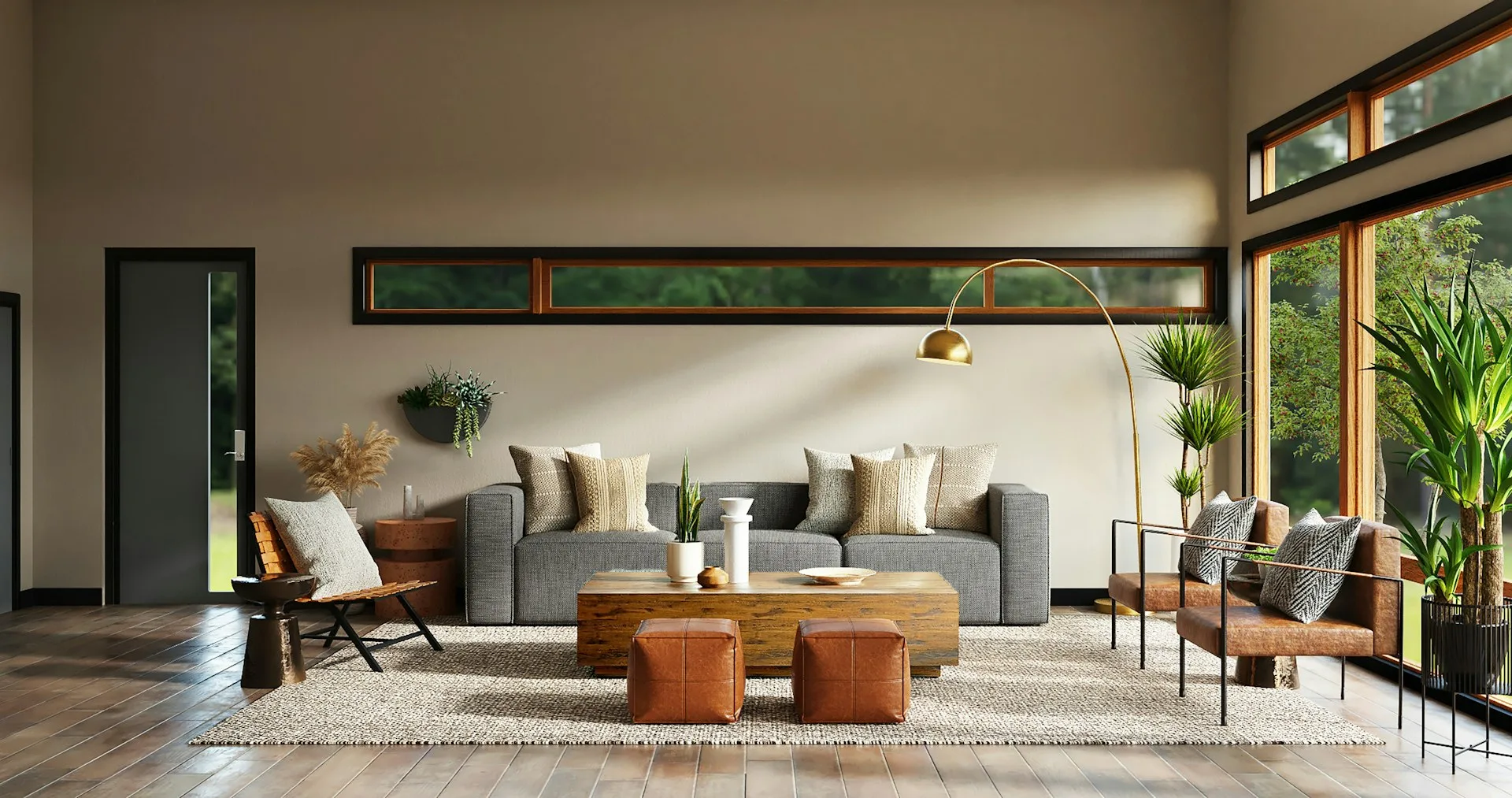
The light stays neutral-cool in work and activity spaces. In rest areas such as the living room, it can be warmer if there’s no work activity.
Late Afternoon-Evening (6:00 - 10:00 PM): Transition to Relaxation
This is the most important period. The color temperature begins to drop progressively:
- At 6 PM: 4000 K (neutral-warm)
- At 8 PM: 3000 K (warm)
- At 10 PM: 2700 K (very warm, candle level)
Intensity also decreases gradually. The body receives the hormonal signal that it’s nighttime and begins producing melatonin.
Night (10:00 PM onward): Preparing for Sleep
Only very dim accent lights (5-15%) in a very warm temperature or even in a special amber spectrum (blue-free). Any cool white light during this period can suppress melatonin and delay sleep.
Integration with Home Automation Ecosystems
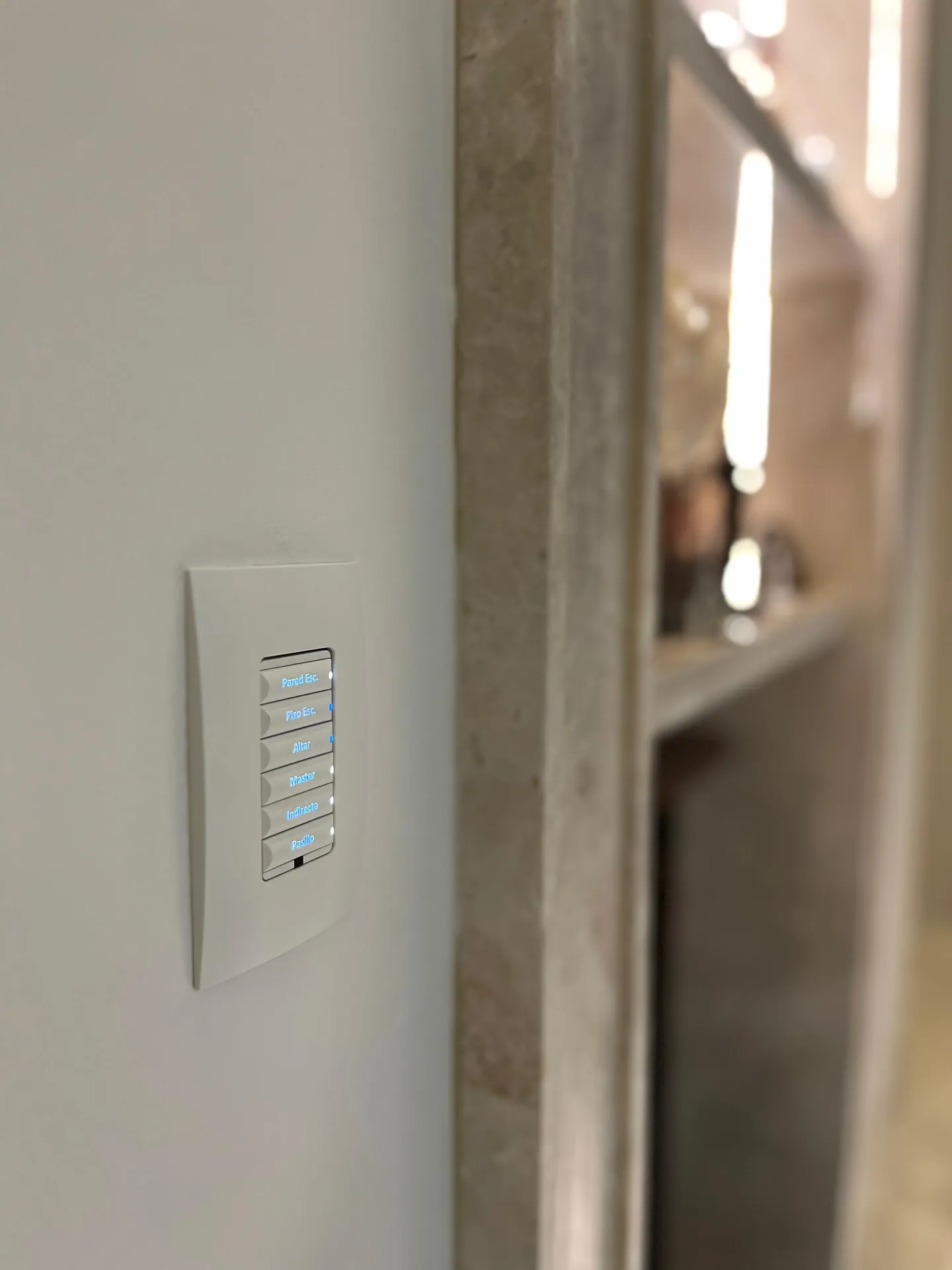
At DomuLab, circadian lighting is implemented mainly with two systems:
Lutron Ketra: The Industry Standard
Lutron Ketra is the most advanced dynamic lighting system on the residential market. Its unique features:
- Real-time color temperature adjustment (1400 K to 10,000 K)
- A “sunrise and sunset” algorithm that adjusts the lighting automatically based on the time, the day of the year and the geographic location
- Deep integration with Control4 for coordination with other home systems
- Individual calibration of each fixture: the system continuously monitors the intensity of each light and adjusts it to maintain the desired level, compensating for LED aging
Lutron RadioRA 3 with Adjustable LED Lighting
For projects where Ketra represents a high budget, RadioRA 3 with tunable-temperature LED fixtures offers a good portion of the circadian functionality at a more accessible cost.
Benefits Documented in Scientific Studies
Scientific research supports the benefits of circadian lighting:
- Improved sleep: studies show improvements of 15-20% in sleep quality with properly implemented circadian lighting
- Reduced stress: the gradual transition to warm light in the evening lowers cortisol levels
- Increased productivity: adequate cool lighting in work areas can improve focus by up to 12%
- Special benefits for older adults: whose melatonin production is more sensitive to light cues
Special Use Cases
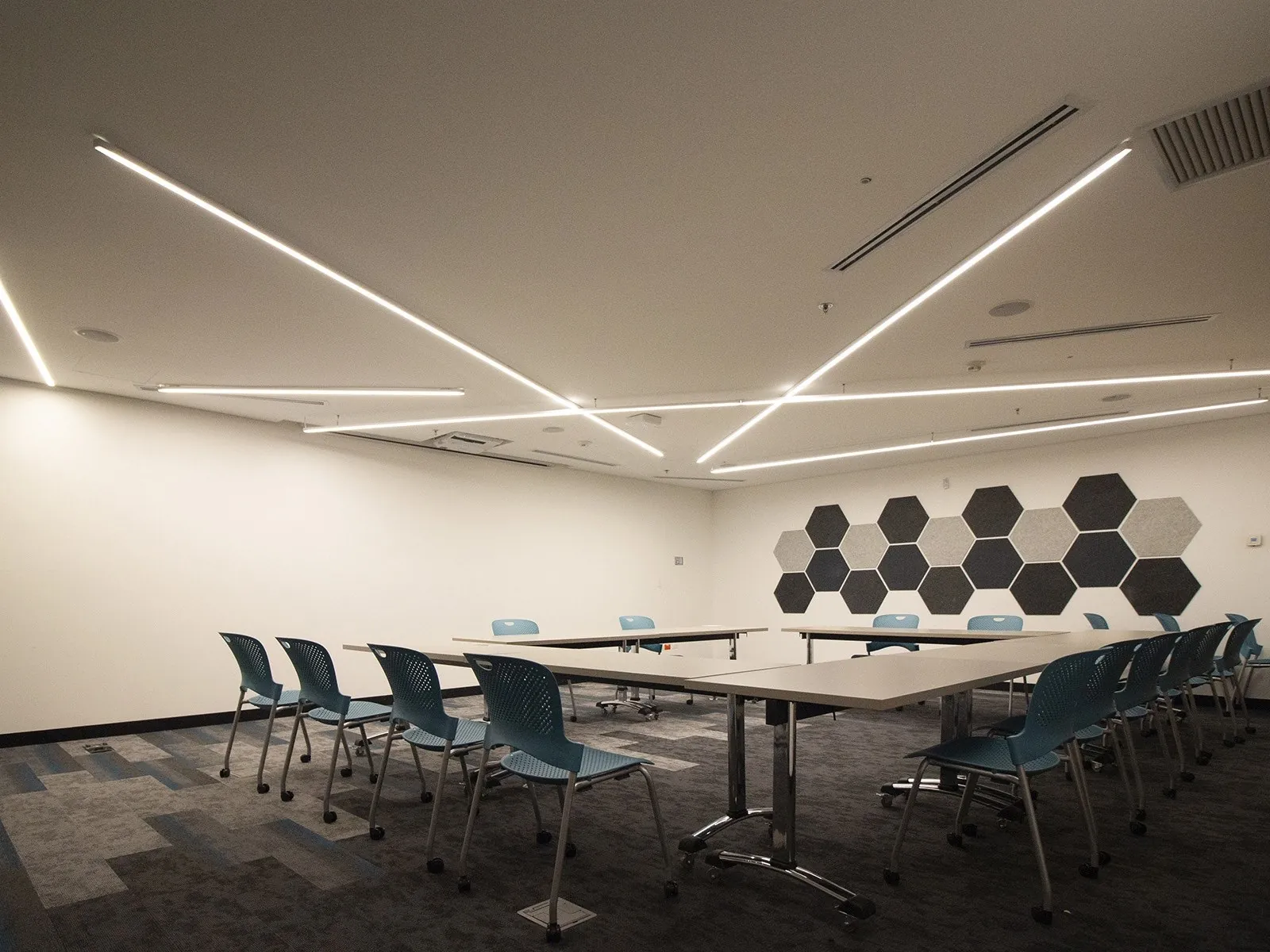
Home Office Spaces
With so many people working from home, workspace lighting has a direct impact on productivity and on the ability to disconnect at the end of the day. A transition from cool light during work hours to warm light when you close the laptop helps the brain “exit” work mode.
Baby and Children’s Rooms
A baby’s circadian cycle is especially sensitive. Lighting that reinforces natural cycles can significantly improve children’s sleep patterns.
Older Adults
Older people have a reduced sensitivity to light cues, which can desynchronize their circadian rhythm. More intense lighting during the day and warmer lighting at night can compensate for this reduced sensitivity.
The Transition Is Invisible
When a circadian lighting system is well programmed, the changes are completely imperceptible. There is no moment when the light “changes” abruptly: it simply flows, like the natural light of the sun. Occupants don’t think about the lighting; they simply feel good.
“Your home should take care of you. Lighting is no longer just for seeing in the dark; it’s now a tool for wellbeing and health.”
Want lighting that looks after your health and wellbeing? Contact us to learn about the circadian lighting options available for your home in Ecuador.
Need the luminaires defined as well as the control? Our Lighting Line covers lighting design, specification, and supply of architectural luminaires for the project.